

In the heart of Citrus Hts, the landscape is dotted with trees that supply visual charm, shade, and important environmental benefits. However, the requirement of tree removal, whether due to illness, maturity, or risks, has become an increasingly urgent issue for residents. As urban development continues to unfold, comprehending the complexities surrounding tree removal is crucial for local citizens and community members alike. From dealing with local regulations to calculating costs and selecting the right professionals for the job, there is much to consider when faced with the decision to remove a tree.
Here, we will delves into the key elements of tree removal in Citrus Heights, covering topics such as the differences between native oak trees that are protected and non-protected trees, the effects of storm damage, and the ideal times for tree removal. We will also discuss the importance of contracting certified and covered services, understanding tree replacement rules, and the potential hazards posed by foreign tree roots. By gaining knowledge into these critical issues, residents can make informed decisions and ensure that their community remains thriving and protected.
Tree Removal Regulations and Requirements
Navigating the tree removal procedure in the City of Citrus Heights can be complex due to local regulations and permit requirements. Before initiating any tree removal, residents should educate themselves with the guidelines set by the City of Citrus Heights guidelines. Certain trees, especially endangered oaks, require specific permits for taking down. It's crucial to reach out to the city's planning division to understand the required procedures before continuing with any activities on the trees.
When applying for a removal permit for trees, those applying must give detailed information about the tree species, size, and cause for removal. Elk GroveTree Citrus Heights might include proof of pest infestation, injury, or safety concerns. The city often mandates qualified arborist evaluations to validate the reason for the removal and to make sure to follow with local regulations. Failing to obtain the necessary permissions can result in fines and setbacks, making it important for residents to be careful in their application process.
In addition of being aware of the regulations for tree removal, residents should also be aware of rules surrounding replacement trees. The City mandates that for removed trees, certain replacement requirements may be required. This could entail the introduction of new trees of certain species to maintain the urban canopy and ecosystem balance. Staying informed about both the regulations for both removal and replacement helps ensure that tree oversight aligns with the community's standards and eco-friendliness.
Costs and Contractors for Tree Removal
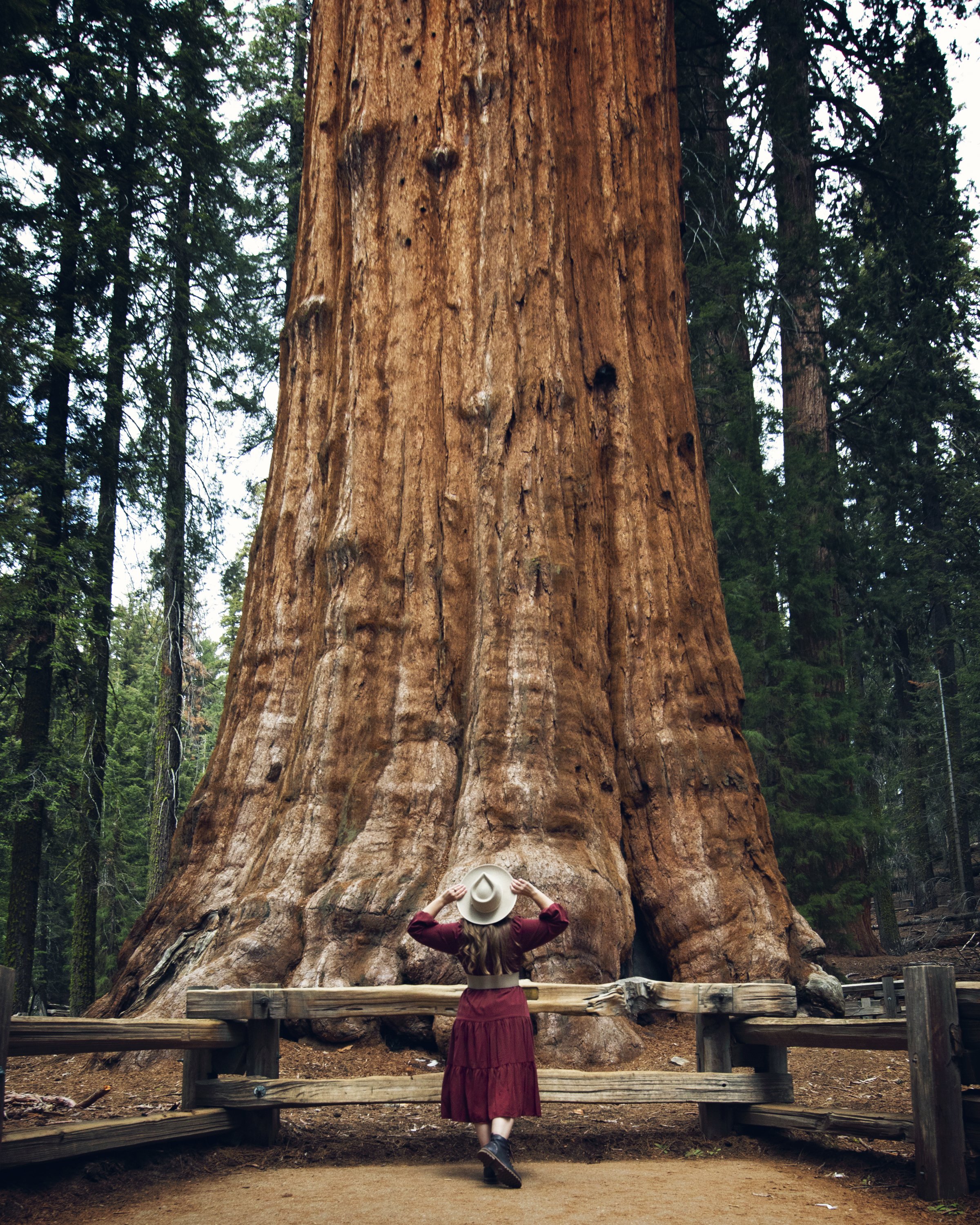
The price of tree removal in the Citrus Heights area can fluctuate considerably based on several factors, including the tree's size, species, and location. On average, homeowners can expect to spend between a few hundred to more than a thousand for the services of tree removal. Big trees, especially mature species like oaks and redwoods, typically incur higher charges due to the extra equipment and labor required for secure removal. Additionally, costs may fluctuate depending on the difficulty of the removal, such as if the tree is near power lines or structures.
When selecting a contractor for removing trees in Citrus Heights, it is crucial to choose a certified and bonded provider. This not only guarantees compliance with local regulations but also protects property owners from legal issues in case of incidents. Various local businesses focus in tree services, and it's advisable to obtain several quotes and check feedback to find a trustworthy provider. An expert contractor will offer a thorough assessment and clarify the procedure clearly, making sure that all safety and regulatory standards are met.
Moreover, engaging a licensed tree specialist can simplify the permit process and enhance the quality of the work. Tree specialists bring knowledge in assessing tree health and recommending if removal is necessary or if alternative maintenance, such as pruning or repairs, could suffice. Their insight can also be useful in understanding the consequences of removing trees, such as potential damage to nearby landscaping and requirements for replanting or mitigating impacts on local environmental systems.
Plant Condition and Security Considerations
Preserving the condition of plants in this area is crucial not only for appearance but also for the protection of people and homes. Signs of disease or construction problems in trees, such as extensive bark beetle infestations or burn disease, can lead to hazardous situations. Property owners should regularly inspect their plants for these problems, as neglected trees can pose a significant risk during bad weather situations. Knowing when a mature Valley Oak tree or Modesto Ash becomes hazardous is crucial for prompt extraction decisions that can protect homes and landscapes.
When considering tree removal, the safety of the surrounding buildings, including ceilings, fences, and electrical wires, must be taken into account. Tight-quarter tree felling methods are often required in residential environments like Citrus Heights. Using established practices ensures that the removal process minimizes harm to adjoining properties and services. Property holders should seek advice with certified experts who specialize in secure plant removal to ensure that all security guidelines are adhered to.
In furthermore, the after removal process is crucial for restoring the environment. Effective cleaning, such as wood chipping and removing, can prevent potential risks from remaining material. Tree services in Citrus Heights 's also essential to protect underground facilities, including pipes and basements, during extraction activities to avoid subsequent complications. Understanding plant replacement and mitigation regulations in this area can help property owners make informed choices that will encourage sustainable ecological balance after tree removal.